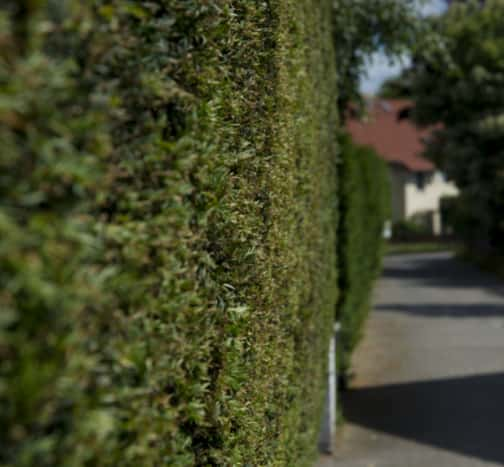
Well-maintained hedges can make a significant difference to the appearance and usability of a garden. They provide natural boundaries, create privacy, offer shelter for wildlife and help define different areas of an outdoor space. However, without regular care, hedges can become overgrown, uneven or congested, affecting both their appearance and long-term health.
For homeowners and property owners in Eye, Norfolk, professional hedge cutting helps keep boundaries tidy while encouraging healthy, controlled growth. Understanding when and how to trim a hedge can make it easier to maintain an attractive garden throughout the year.
Why Regular Hedge Cutting Matters
Hedges naturally grow at different rates depending on their species, age, location and growing conditions. Without suitable maintenance, branches may extend over paths, obstruct access or grow unevenly, making the hedge increasingly difficult to manage.
Regular cutting helps maintain a consistent shape and prevents excessive growth from becoming a larger maintenance issue. It can also encourage denser growth in suitable hedge species, creating a fuller and more effective boundary.
A well-maintained hedge can improve the overall appearance of a property in Eye, Norfolk, particularly where garden boundaries are a prominent feature. Keeping growth under control also helps ensure that paths, entrances and surrounding garden areas remain accessible.
Choosing the Right Time to Cut a Hedge
The best time to cut a hedge depends on the plant species, its growth pattern and the result you want to achieve. Fast-growing hedges may need more frequent attention, while slower-growing varieties often require less intervention.
Many established formal hedges benefit from trimming during the growing season, when their shape can be maintained as new growth develops. However, heavy cutting should be approached carefully, particularly when dealing with older or less vigorous plants.
Wildlife activity is another important consideration. Hedges provide nesting and shelter for birds and other animals, so it is sensible to check for active nests before work begins. If nesting activity is present, cutting should be postponed until the nest is no longer in use.
Professional advice can help determine the most suitable approach for your particular hedge, taking account of its condition, species and intended appearance.
Maintaining the Shape Without Damaging Growth
Achieving a neat finish involves more than simply cutting back the outer branches. The correct technique helps maintain the hedge’s natural form while avoiding unnecessary damage.
For many formal hedges, keeping the base slightly wider than the top allows sunlight to reach the lower branches. This can help prevent the bottom of the hedge from becoming thin or bare over time. The amount of trimming required will depend on the hedge’s existing shape and how much growth needs to be removed.
Overgrown hedges may require a more considered approach. Cutting back too much at once can leave some plants struggling to recover, particularly if they do not respond well to hard pruning. Where substantial reduction is needed, the work should be planned around the plant’s characteristics and overall condition.
Eye Tree Surgeons can help assess the hedge and carry out suitable cutting to maintain a tidy, balanced appearance without removing more growth than necessary.
Managing Overgrown and Difficult Hedges
A hedge that has been left unattended for several seasons can become dense, uneven and difficult to manage. Thick branches may extend into garden spaces, restrict access or make the boundary appear neglected.
Bringing an overgrown hedge back under control often requires careful assessment before cutting begins. Some hedges respond well to gradual trimming, while others may need a more substantial reduction or a different maintenance approach.
Professional hedge cutting is particularly useful where the hedge is tall, wide or difficult to reach safely with ordinary garden equipment. An experienced tree surgery team can work methodically to achieve a consistent finish and manage the resulting cuttings.
Regular maintenance after the initial work can then help prevent the hedge from becoming overgrown again.
The Benefits of Professional Hedge Cutting in Eye, Norfolk
Although small hedges may be manageable with basic garden tools, larger or more established boundaries can require specialist equipment, experience and careful planning.
Professional hedge cutting helps achieve an even finish while taking account of the hedge’s condition, growth habits and surroundings. It can also reduce the risk of damaging nearby plants, garden features or the hedge itself through unsuitable cutting techniques.
For properties in Eye, Norfolk, regular maintenance can keep boundaries looking presentable and help make outdoor spaces easier to use. It also allows potential problems, such as dead sections, uneven growth or overcrowding, to be identified before they become more difficult to address.
The appropriate maintenance schedule will depend on the type of hedge and how quickly it grows. Rather than cutting everything back excessively, a planned approach can help preserve the hedge’s appearance and long-term condition.
Keeping Your Hedge Healthy Throughout the Year
Hedge care does not end when the cutting is complete. Checking for dead or damaged branches, monitoring uneven growth and allowing suitable space around the base can all contribute to healthier boundaries.
It is also important to avoid unnecessary cutting during periods when plants are under stress. The condition of the hedge, recent weather and the amount of growth to be removed should all influence the maintenance approach.
A consistent routine makes it easier to keep the hedge in good condition and reduces the likelihood of extensive corrective work being needed later. If a hedge appears sparse, damaged or unusually slow to recover after trimming, a closer assessment can help identify the most appropriate next step.
Conclusion
Regular hedge cutting helps maintain neat boundaries, encourage suitable growth and improve the overall appearance of gardens and outdoor spaces. By choosing the right timing and cutting technique, property owners can keep their hedges manageable without compromising their condition.
For homeowners and property owners in Eye, Norfolk, Eye Tree Surgeons can assist with hedge cutting and maintenance tailored to the needs of your garden. If your hedge has become overgrown or simply needs a tidy, professional finish, get in touch to discuss your requirements and arrange a suitable service.
Call us on: 01379 773 584
Click here to find out more about Eye Tree Surgeons
Click here to complete our contact form and see how we can help with your tree needs.